
The Internet of Things (IoT) has come a long way since its inception, transforming the way we live, work, and interact with each other. From smart homes to industrial automation, IoT technology has been revolutionizing various aspects of our lives. However, with the rapid pace of innovation, it’s essential to stay updated on the latest trends and advancements in IoT. In this blog post, we’ll explore the top trends in IoT technology for 2024, and how they’re set to transform industries and daily life.
IoT technology refers to the network of physical devices, vehicles, buildings, and other items embedded with sensors, software, and connectivity, allowing them to collect and exchange data. This interconnectivity enables devices to become “smart,” making our lives more convenient, efficient, and safe. As IoT continues to evolve, it’s crucial to stay informed about the latest developments and trends shaping the industry.
Increased Adoption of Edge Computing
Edge computing is a distributed computing paradigm that brings data processing closer to the source of the data, reducing latency and improving real-time processing capabilities. In the context of IoT, edge computing plays a vital role in processing the vast amounts of data generated by connected devices.
Benefits of Edge Computing in IoT
The adoption of edge computing in IoT offers numerous benefits, including:
- Reduced Latency: Edge computing enables real-time data processing, reducing latency and improving response times. This is critical in applications like autonomous vehicles, smart grids, and industrial automation, where timely decision-making is crucial.
- Improved Security: By processing data closer to the source, edge computing reduces the risk of data breaches and cyber attacks during transmission.
Growth of 5G Networks and IoT
The rollout of 5G networks is transforming the way we live and work, and its impact on IoT technology is significant. With faster data transfer rates, lower latency, and greater connectivity, 5G is set to revolutionize various industries and applications.
5G Network Capabilities
5G networks offer:
- Faster Data Transfer: 5G enables data transfer rates of up to 20 Gbps, significantly faster than 4G’s 100 Mbps.
- Lower Latency: 5G reduces latency to as low as 1 ms, compared to 4G’s 50 ms.
- Increased Connectivity: 5G supports up to 1 million devices per square kilometer, making it ideal for large-scale IoT deployments.
Artificial Intelligence (AI) Integration in IoT
Artificial intelligence (AI) and machine learning (ML) are transforming IoT technology, enabling devices to become smarter, more efficient, and more autonomous.
Applications of AI and ML in IoT
AI and ML have numerous applications in IoT, including:
- Predictive Maintenance: AI-powered devices can predict maintenance needs, reducing downtime and improving efficiency.
- Anomaly Detection: AI-powered devices can detect anomalies in real-time, improving security and reducing false positives.
Enhanced Focus on IoT Security
As IoT technology advances, security concerns are growing. With the increased connectivity and data transfer, IoT devices are vulnerable to cyber attacks and data breaches.
IoT security concerns include:
- Data Breaches: IoT devices are vulnerable to data breaches, compromising sensitive information.
- Device Hacking: IoT devices can be hacked, compromising security and privacy.
Increased Use of IoT in Healthcare
The Internet of Things (IoT) is revolutionizing healthcare, enabling remote monitoring, personalized treatment, and improved patient outcomes.
IoT applications in healthcare include:
- Telemedicine: Remote consultations and monitoring, improving access to healthcare services.
- Wearables: Wearable devices tracking vital signs, activity levels, and other health metrics.
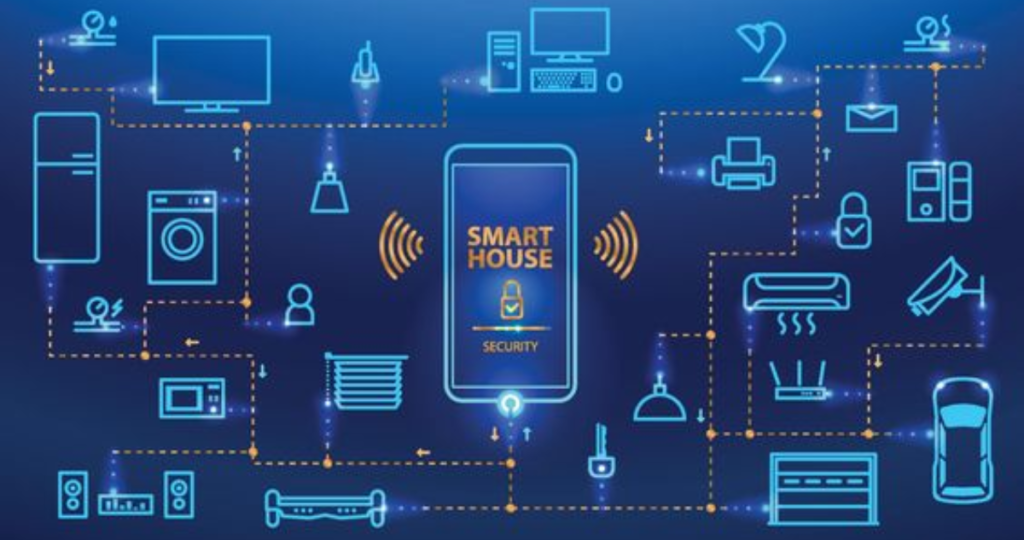
Smart Home and Building Automation
Smart home and building automation technologies are transforming the way we live and work, improving energy efficiency, safety, and convenience.
Benefits of Smart Home and Building Automation
The benefits of smart home and building automation include:
- Energy Efficiency: Reduced energy consumption, lowering utility bills.
- Improved Safety: Enhanced security and fire safety.
- Increased Convenience: Automated tasks, improving quality of life.
Industrial IoT (IoT) and Supply Chain Management
Industrial IoT (IoT) is transforming supply chain management, improving efficiency, reducing costs, and enhancing customer satisfaction.
IIoT applications in supply chain management include:
- Predictive Maintenance: Predicting equipment failures, reducing downtime.
- Real-Time Tracking: Tracking inventory, shipments, and equipment in real-time.
- Quality Control: Monitoring product quality, reducing defects.
Conclusion:
In conclusion, our journey through the top IoT trends of 2024 has been a thrilling adventure, exploring the transformative power of technology in various aspects of our lives. From the increased adoption of edge computing and the growth of 5G networks to the integration of AI and enhanced focus on security, we’ve witnessed the incredible potential of IoT to revolutionize industries and daily life. We’ve also delved into the exciting applications of IoT in healthcare, smart homes, and industrial supply chain management. As we conclude this odyssey, remember that the future of IoT is not just about technology – it’s about the infinite possibilities it unlocks for humanity. So, let’s embrace this brave new world with open arms and minds, and watch as the Internet of Things weaves its magic, connecting us all in a tapestry of innovation and wonder. The future is now – and it’s more connected than ever